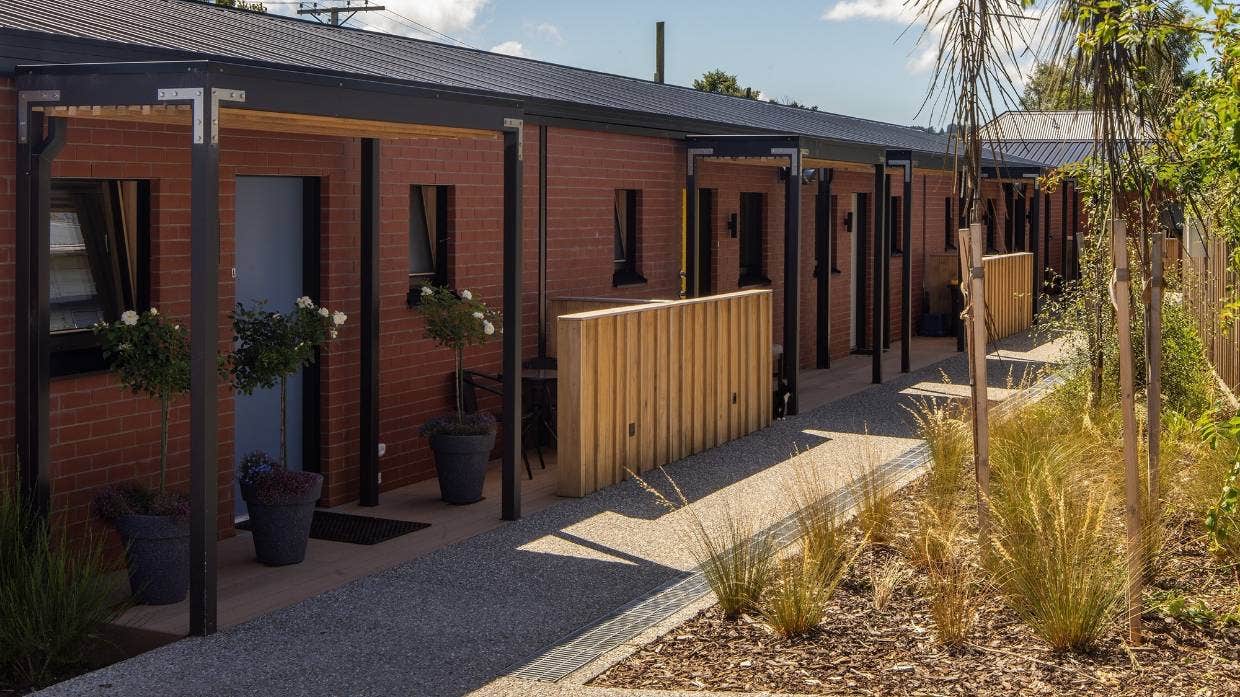

Working with local New Zealand provider AirSuite has yielded a proven return on investment for this government client, thanks to reduced energy consumption, early detection and intervention of issues, and the ability to make data-led decisions.
When your job demands complete focus, the last thing you want are spaces that are too hot, humid, high in carbon dioxide, noisy, or cold — or anything that leaves you feeling distracted or drowsy, and unable to perform at your peak. This is especially true in parts of the public sector where decisions are so important they can change the trajectory of people’s lives.
300 monitors deployed in the client’s sites across NZ
In the days of COVID-19, our client reviewed their building management systems and discovered their data fell short when it came to visibility or measuring if strategies and interventions were having the required impact.
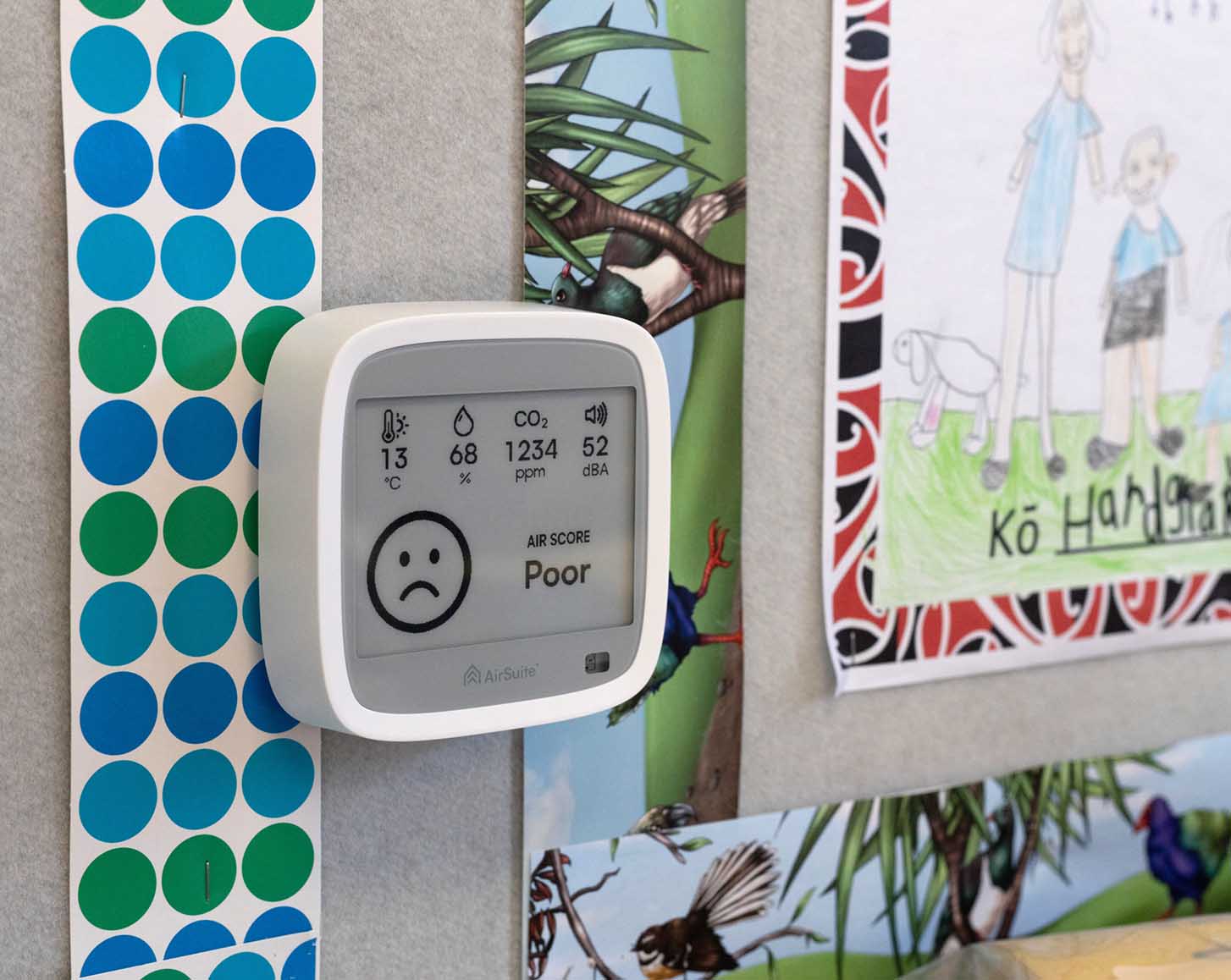
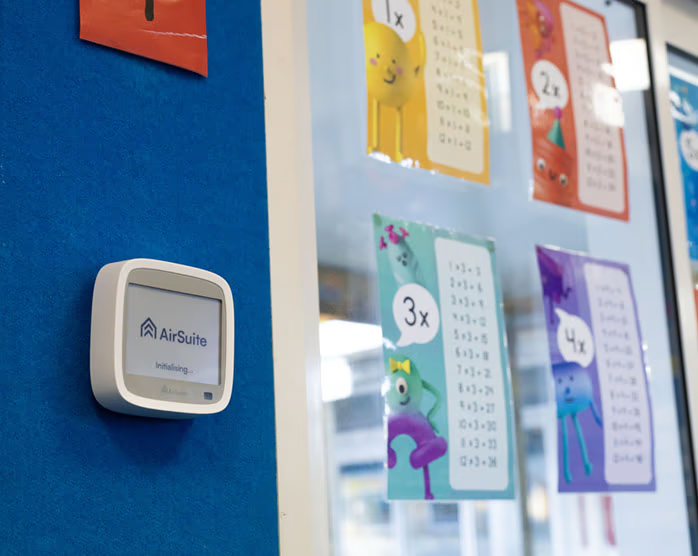
They knew they had to do things differently and asked us to deploy 300 AirSuite Sense LTE monitors across their facilities. What began as a need to monitor air quality during the height of the pandemic, and to follow the World Health Organisation’s recommendations on healthy CO₂ levels, became a partnership focused on real-time visibility, a measurable return on investment (ROI), and data-led decision making.
Early detection and intervention makes all the difference
Our client now uses their AirSuite monitors for various reasons — which include:
- monitoring noise levels during construction projects.
- providing data on heating and cooling schedules and temperature settings.
- gaining real-time visibility on room occupancy and indoor air quality.
Their AirSuite monitors allow them to maintain healthy indoor conditions and adjust heating and ventilation schedules based on actual occupancy — rather than guesswork, individual preferences, assumptions or outdated information — to reduce energy costs.
They discovered that the scheduling was wrong at several sites. Some heat pumps were turned on hours before people were due to arrive and when they were closed, including on public holidays, weekends, and evenings. At other sites, the settings were too hot or too cold and therefore costly, inefficient, and outside the recommended levels.
Alan from the client’s Asset Management team says:
This is giving us live data, at our fingertips, about issues, so we can then raise jobs. We can see information about where we can adjust our building management and save money because we’re reducing heating or cooling.
Alan, Asset Management team
Moving away from blanket solutions, to identifying real needs
Our client deployed air purifiers across their public facilities to keep them fully operational during the COVID-19 pandemic. However, their rental and ongoing running costs made this an expensive and impractical long-term solution. They needed continuous monitoring so they could see which sites really needed air purification, and where maintenance was required.
They now use air purifiers in a more targeted way — only renting and using them in spaces where the sensors identified a need. This change alone has saved them an impressive $300k NZD per year — an estimate they say could be conservative, as they continue to analyse and act on the data from their AirSuite sensors.
Our client’s extensive property portfolio also includes several heritage buildings. As older buildings can be more susceptible to leaks and mould than new builds, our client chose to deploy AirSuite sensors with particulate matter (PM2.5 and PM10) monitoring capabilities. Before using our sensors, they would only know if they had a mould issue once spores were visible — this is often too late and can make repair more disruptive and costly.
Another factor which we know plagues many New Zealand institutions, particularly in major centres, is managing construction noise without compromising on what they deliver. As our client’s work involves precise planning, and input and travel from many people, schedules are often created months in advance.
Interrupting this delicate balance by cancelling or rescheduling plans because of construction noise is far from easy or desirable. Thanks to their AirSuite monitors, this client can continually monitor noise levels, allowing the Property Department to keep a remote ear on contractors and make sure they’re not causing undue disruption.
This last detail can’t be overlooked, as Alan emphasises: “Avoiding disruption is the pinnacle of our property objectives.”
Respond decisively and efficiently
Having the power to visualise trends and see when indoor air quality is slipping allows them to make data-led decisions. For example, the graphs on their AirSuite portal let them see immediately when CO₂ levels become too high. They can then arrange for an expert to investigate and, if necessary, put in place improved ventilation measures. The data and the way it’s displayed — both at overview and granular level — create the ideal conditions for smarter decision making.
Choosing “local” has paid off
One of the government’s objectives is to support and use local where possible. AirSuite ticks this box. They explain:
AirSuite are local, and it’s paid off.
We’ve had no supply chain issues. We work really well together. AirSuite have changed sensors and added extra functionality into the portal for us. They’ve been excellent and fast. The platform is beautifully clean, and the sensors themselves blend into their surroundings.
Five ways AirSuite supports better public sector outcomes
This organisation has found the data insights around carbon emissions reduction, temperature and noise levels, and particulate matter empowers them to:
- negotiate more favourable terms with their air purifier provider so they only rent them when an actual issue is identified
- draw on real-time data to raise jobs without needing their property management people on the ground all the time (especially handy if there is a weather event that restricts travel)
- identify trends and see accurate data over time rather than rely on point-of-time site visits or anecdotal feedback
- adjust their heating and cooling schedules at each site based on when spaces are occupied — rather than having them run overnight, in the evenings, weekends and during public holidays when the spaces are not being used
- measure noise levels to prove they are within a reasonable range to minimise disruption and last-minute schedule changes.
ROI snapshot to date
| Saving | Amount | How it was achieved |
|---|---|---|
| Annual energy cost savingsOne South Island site | $4,100 | Changing the ventilation system’s CO₂ set point to a more realistic level (the previous level was virtually impossible for the system to sustain) |
| Annual energy cost savingsOne South Island site | $2,600 | Reducing running hours of heating and cooling equipment |
| Annual energy cost savingsLarge Auckland site | $50,000 | Adjusting when heating or cooling units are turned on based on actual occupancy data |
| Additional annual energy cost savingsLarge Auckland site | $5,500 | Switching off heating or cooling units during public holidays (they were previously kept running) |
| Overall energy cost savings estimate | 12% | Rough estimate across all sites |
| Annual cost savings on air purifiers | $300,000 | Estimated savings by reducing reliance on rented air purifiers |