
Key benefits
Save energy and reduce costs
Most buildings are conditioned to a schedule rather than to how they are actually used. Heating, cooling, ventilation and lighting run for spaces that are empty, and run hardest in the spaces nobody has thought to check.
Identifying opportunities to reduce waste starts with understanding. AirSuite gives you a continuous record of conditions and occupancy across your portfolio, so efficiency work can be aimed at the places it will actually pay back.
The problem
You cannot tune what you cannot see
Building services are usually commissioned once and then left alone. Set points drift, schedules stop matching the way people use the building, and a floor that was busy when the system was configured may now sit half empty — while the heating and cooling serving it run just as hard as ever.
Energy bills tell you what a whole site consumed last month. They cannot tell you which floor, which room, or which hours of the day the waste came from, so efficiency work tends to start with a guess and end with an argument about whether it worked.
Upgrading a building management system to close that gap is expensive, and for older or leased buildings it is rarely economically viable at all. Measuring the spaces directly is far cheaper — and in buildings with no BMS, it is the most practical way to find out where the money is going.
What AirSuite measures
The inputs an efficiency programme actually needs
- 7
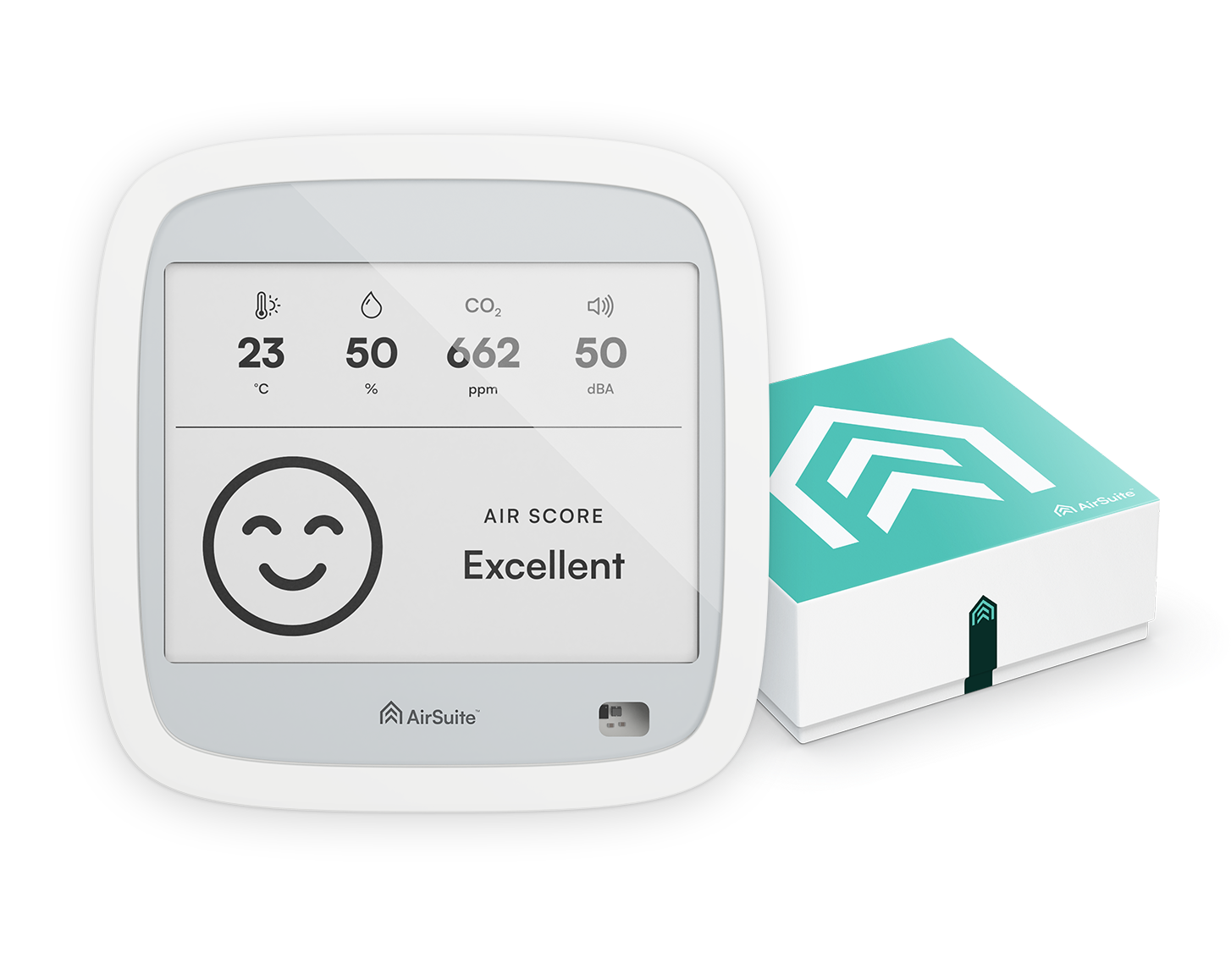
- Standard sensors in every monitor, including CO₂, temperature, humidity, lighting, acoustics and air pressure
- 3-5 yrs
- Typical battery life, so monitors can go into rooms with no convenient power or cabling
- <1 min
- Tool-free installation per monitor, which is what makes measuring a whole portfolio practical
How AirSuite helps
Aim energy work at the rooms that are wasting it
Right-size ventilation
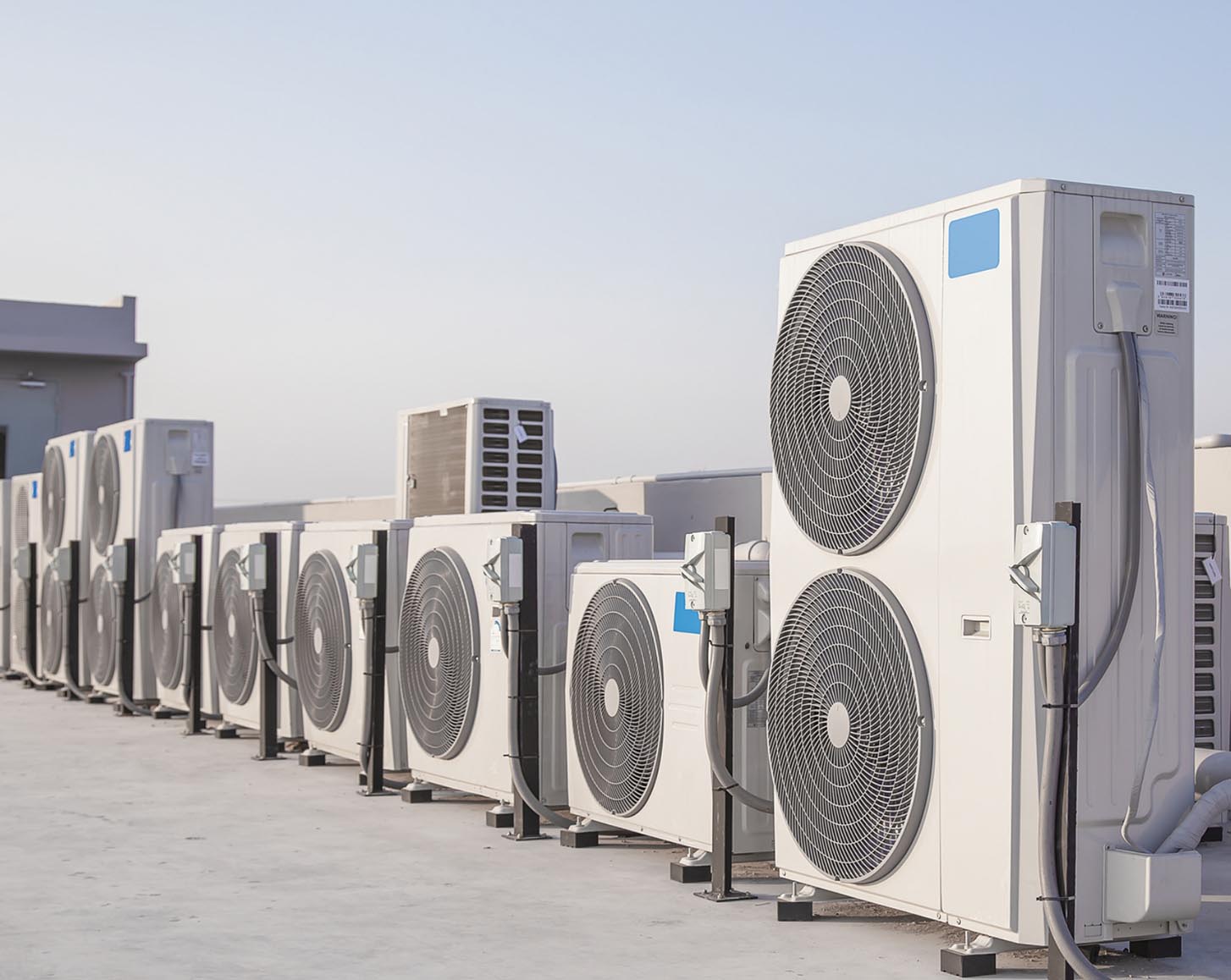
Use air quality data to optimise HVAC usage and reduce unnecessary runtime. When you can see how CO₂ actually behaves in a space, you can ventilate to demand instead of running ventilation on a fixed timetable.

Stop conditioning empty rooms
Occupancy and utilisation data shows which spaces are genuinely in use and when. Lowering heating, cooling and lighting in the rest is one of the least disruptive savings available to most sites.
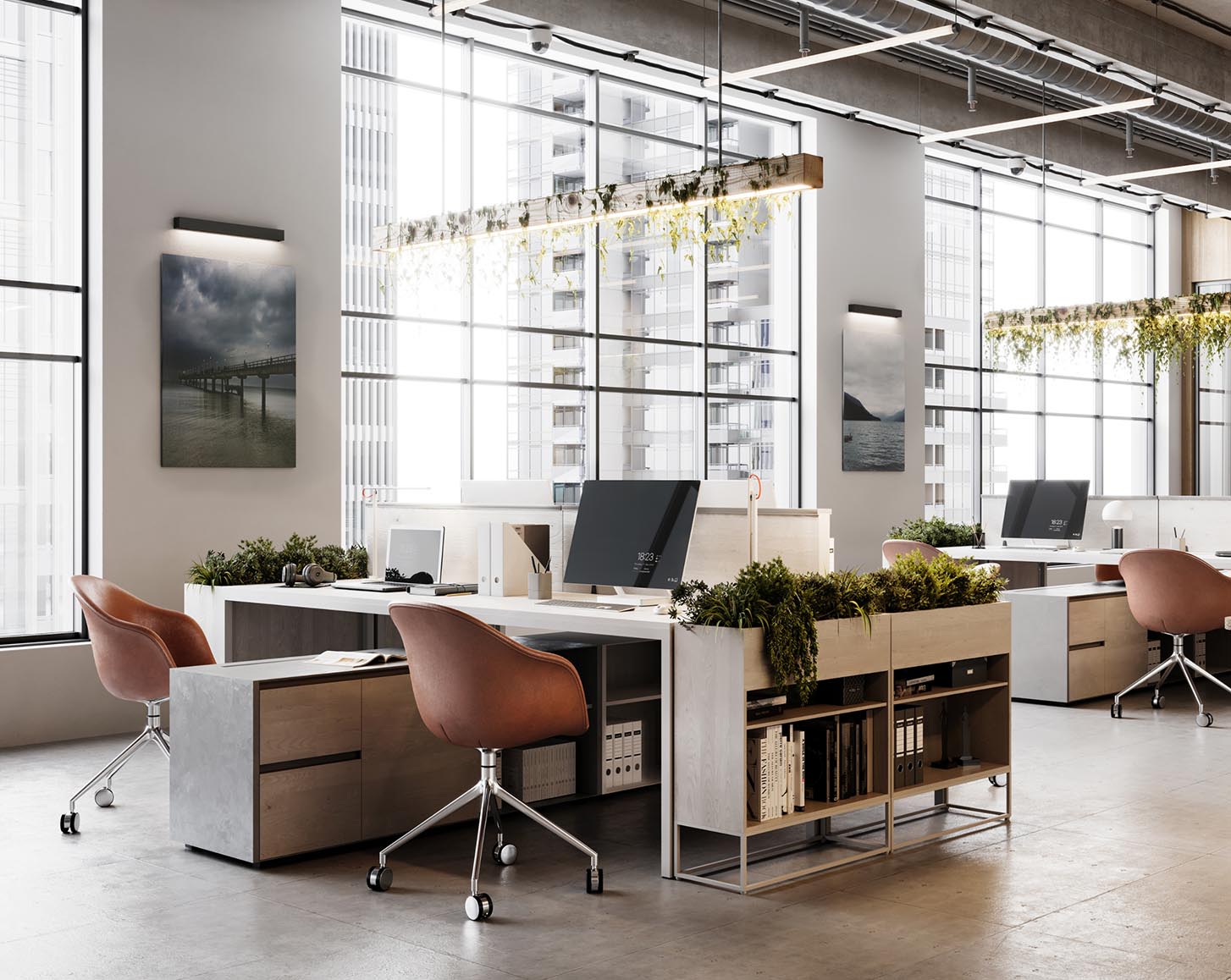
Use the daylight you already have
Measuring natural and artificial light levels together shows where lighting is running against a bright window, and where a change to controls or zoning would cut load without anyone noticing a difference.
Energy Insights
Energy consumption: by the numbers


Getting started
A baseline first, then the savings
Establish what normal looks like
Measure the current state of your indoor environments before changing anything. A few weeks of data is usually enough to expose the schedules, set points and zones that are working against you.
Verify the change held
Because the monitors stay in place, the same data that justified an intervention also confirms it worked — and tells you if a setting drifts back months later, which is how most savings quietly disappear.
In practice
What 300 monitors found running in empty buildings
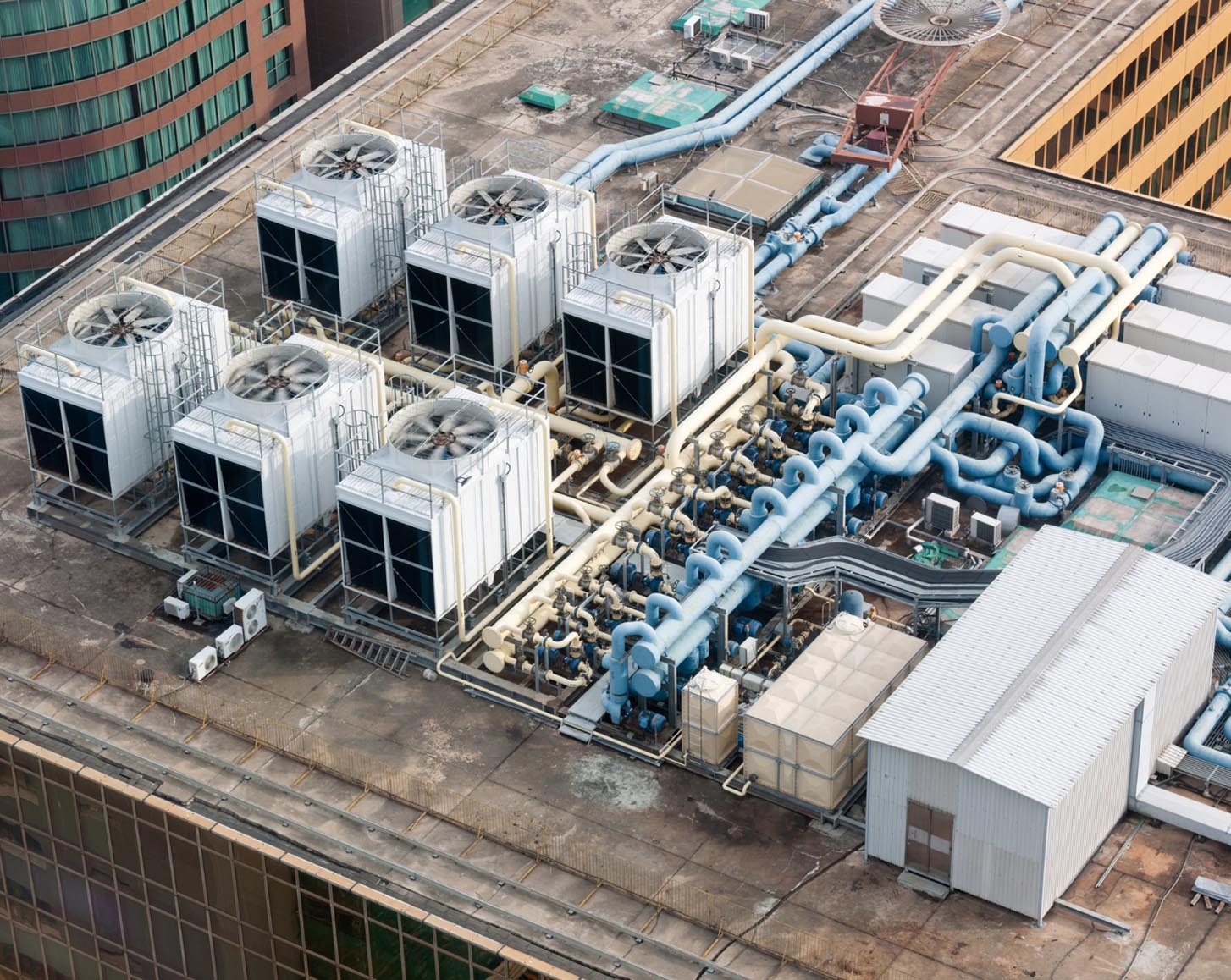
A New Zealand government agency deployed 300 AirSuite Sense LTE monitors across its sites during the pandemic, to watch air quality. What the data mostly exposed was HVAC: heating and cooling schedules that had drifted out of step with how the buildings were actually used.
Heat pumps at several sites were starting hours before anyone arrived and kept running while the buildings were closed — evenings, weekends and public holidays. Elsewhere the set points were simply wrong: one ventilation system had been asked to hold a CO₂ level it could not physically reach, so it never stopped trying.
None of the fixes involved new equipment — they were changes to schedules and set points. Matching heating and cooling to measured occupancy at one large Auckland site saved $50,000 a year; switching units off over public holidays added $5,500; a realistic CO₂ set point at a South Island site saved $4,100, and trimming runtime there another $2,600. Across the portfolio the agency puts the saving at roughly 12% of its energy costs.
The same visibility settled a larger bill. Air purifiers had been rented for public spaces across the board during COVID-19; the monitors showed which rooms actually needed them, which the agency estimates saves a further $300,000 a year.
Questions
Energy, cost and building performance
Does AirSuite control our HVAC?
AirSuite is a monitoring and analysis platform rather than a control system. It tells you what your buildings are doing so that you, or your controls contractor, can act on it. Where you have a building management system, AirSuite monitoring integrates with it directly through our API.
Do we need a BMS to get value from this?
No — buildings without a BMS are exactly where AirSuite delivers most. For older, leased or distributed portfolios, installing or upgrading a BMS is rarely economically viable, and battery-powered monitors give you room-level visibility without cabling, controls work or IT involvement. Where a BMS is already in place, AirSuite monitoring integrates with it directly through our API.
How does occupancy monitoring work?
Occupancy and utilisation are reported as Performance Insights in the AirSuite Monitor Portal, derived from the monitor’s standard sensors. No cameras and no personal data are involved — the output is how heavily a space is used, not who was in it.
What sort of payback should we expect?
It depends entirely on your buildings, your equipment and your tariffs, so we would rather look at your portfolio than quote you a number. Our consulting team works through baseline data with you to identify where the savings realistically are before you commit to any capital work.
Can we monitor several sites in one place?
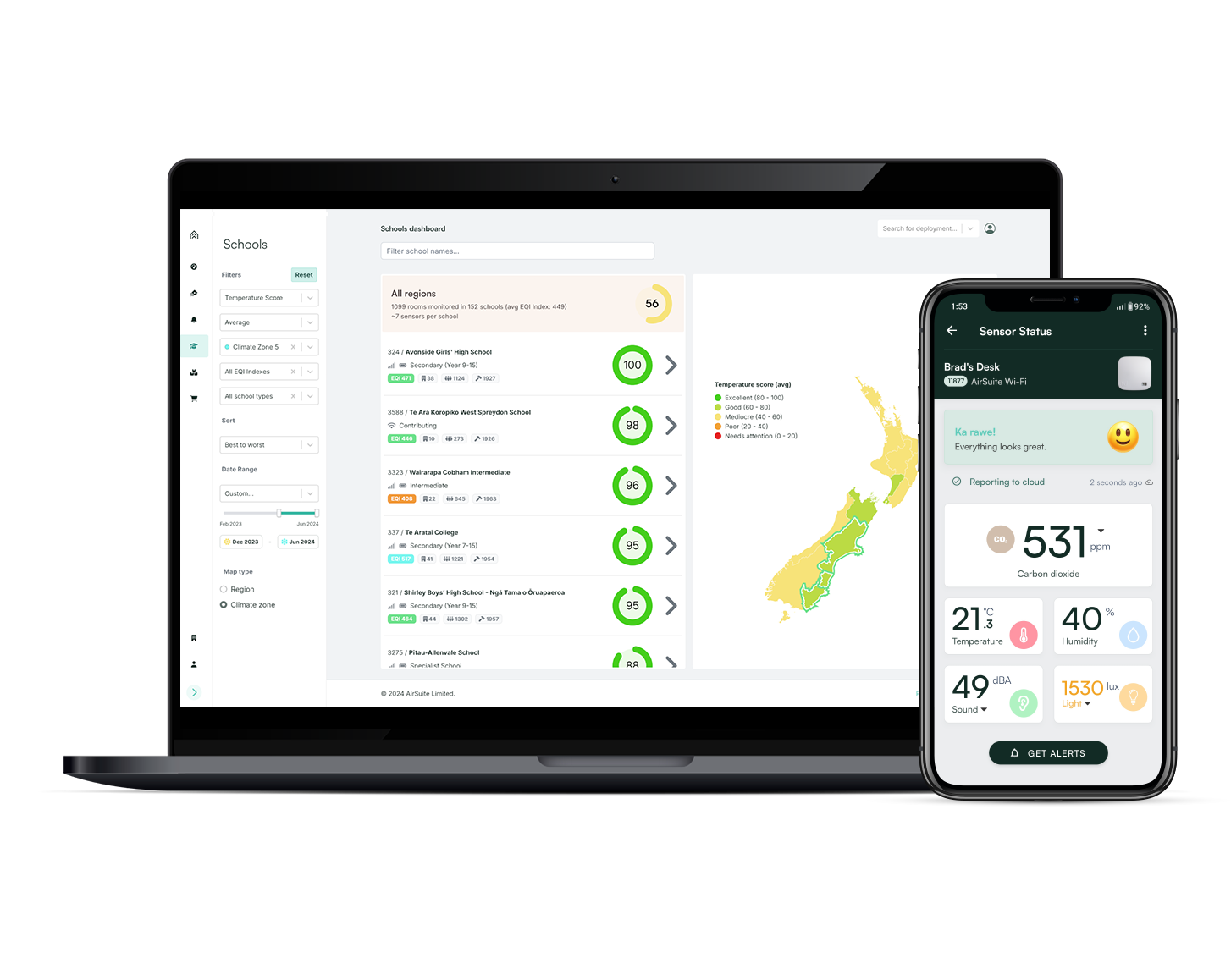
Yes. The Monitor Portal groups monitors into properties automatically and already supports tens of thousands of devices for existing customers, so a multi-site portfolio is managed from a single interface.
How long do we need to measure for?
Daily and weekly patterns show up quickly. Because heating and cooling behaviour is seasonal, a full picture of a building takes longer — which is the argument for leaving monitors in place rather than commissioning a one-off survey.
Ready when you are
Let’s talk about how AirSuite™ can deliver real indoor outcomes for your organisation today