
AirSuite™ for education
Healthier learning environments with equitable outcomes and reduced costs. Prioritise investment across your school portfolio.
Why it matters
Classroom conditions shape how well students learn
Acoustics, air quality and temperature all affect a student’s ability and willingness to learn, and indoor air quality has been correlated with test score performance. A classroom that is stuffy by mid-morning, too cold in winter or too loud to concentrate in is working against the teaching happening inside it — and none of that shows up in a maintenance schedule. High concentrations of pollutants compound it, exacerbating respiratory illness, fatigue, absenteeism and attention problems.
Improving conditions at national scale is largely a prioritisation problem. With thousands of classrooms of different ages, sizes and climates, the hard part is knowing where to intervene, and where money and time will do the most good.
AirSuite was built to answer exactly that question, and has been deployed across New Zealand schools with the Ministry of Education for several years.
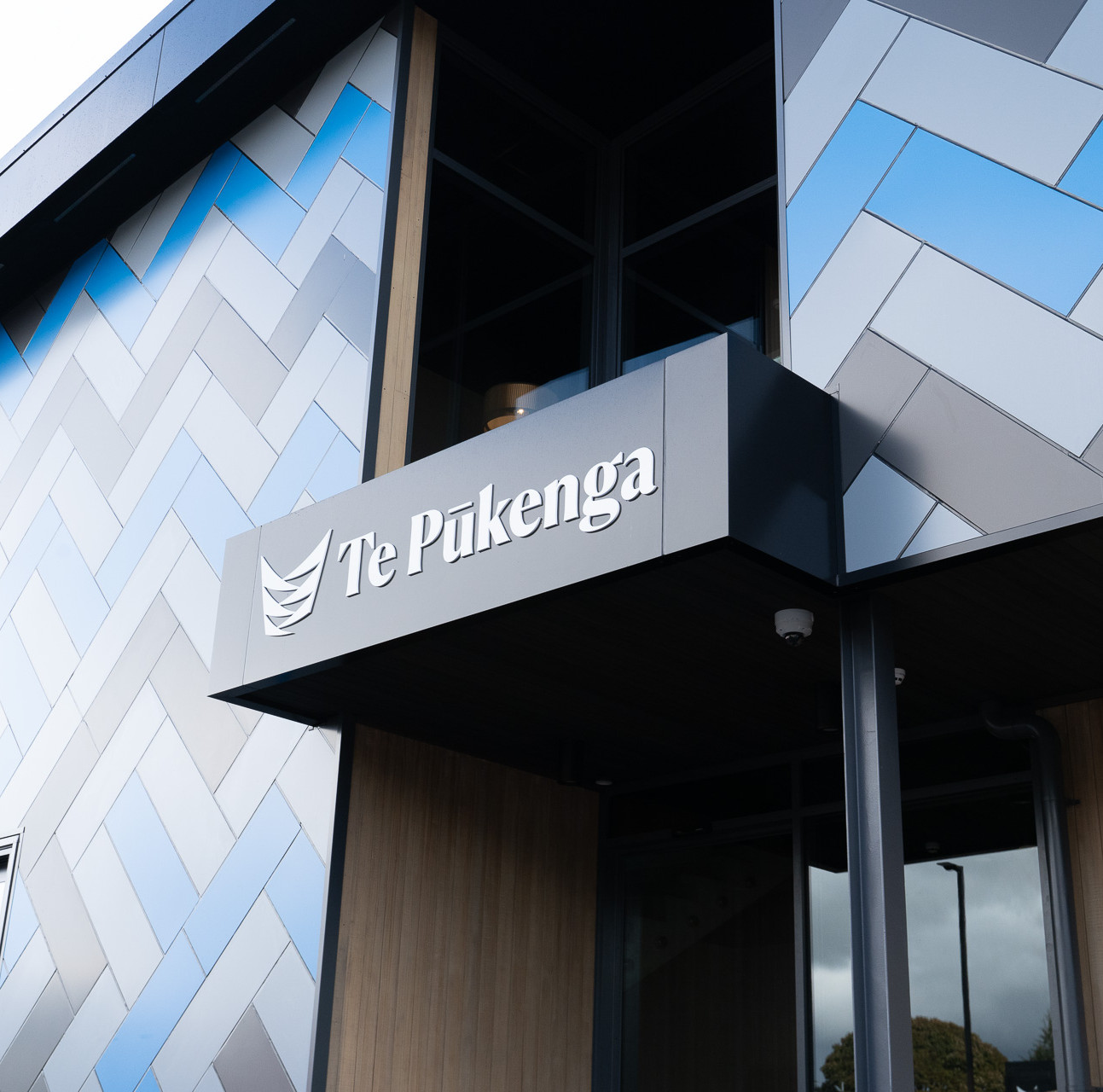
AirSuite now also supports universities and tertiary education providers across Australia and New Zealand — among them the University of Technology Sydney, the University of Queensland and Te Pūkenga — where the range of spaces is far wider than a school’s. Te Pūkenga monitors across a network of sixteen tertiary and trades campuses, covering everything from general teaching rooms and laboratories to engineering workshops and salon training spaces.
Those environments carry quite different risks, and each needs its own baseline before anyone can say whether conditions are acceptable — which is exactly the case for measuring continuously rather than commissioning a one-off assessment.
From our case studies
Proven at national scale
- 8,000
- New Zealand classrooms covered by the Ministry of Education's programme to improve school environments
- Tens of billions
- Measurements recorded by AirSuite monitors from schools across New Zealand
- <1 min
- To install a monitor, with no tools, no cabling and no on-site Wi-Fi required
Figures from the AirSuite education case study, produced with the New Zealand Ministry of Education.
It’s in our DNA
AirSuite was founded with a challenge from the New Zealand Ministry of Education – to create an indoor environmental monitoring platform to measure all the invisible factors affecting students’ health and wellbeing, and the building conditions in schools throughout the country.
Several years later, the Ministry have now installed AirSuite monitors in over 4,000 classrooms across more than 600 schools, with more being rolled out every day.
Our insights enable schools to optimise their classroom conditions for the best educational outcomes, identify opportunities to reduce costs, and prioritise maintenance and investment.
Delivering outcomes
Making better educational outcomes possible
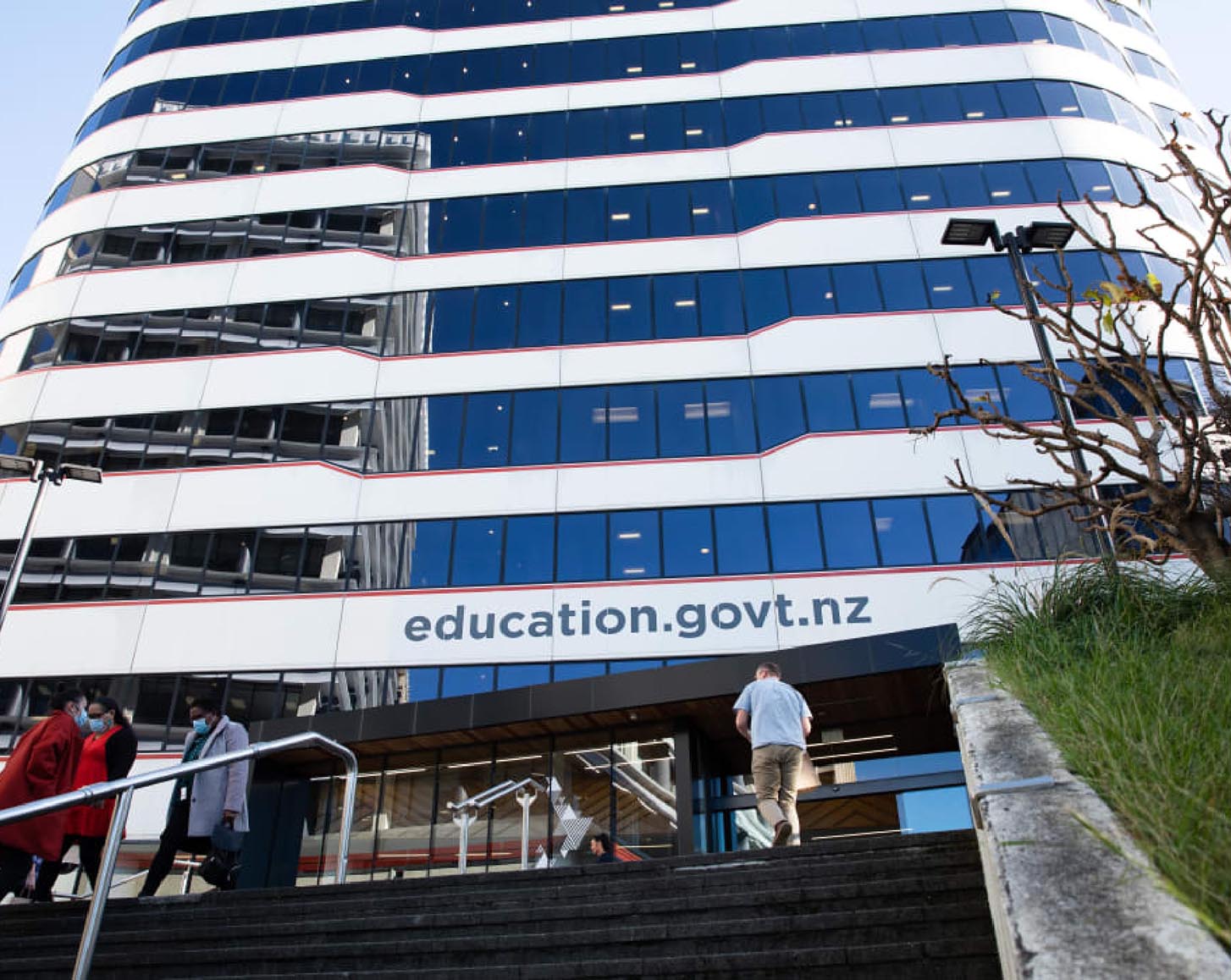
We’ve been working with the New Zealand Ministry of Education for 5+ years
With over 4,000 sensors deployed in classrooms around New Zealand, we’ve become instrumental in understanding the relationship between indoor environments and educational outcomes.
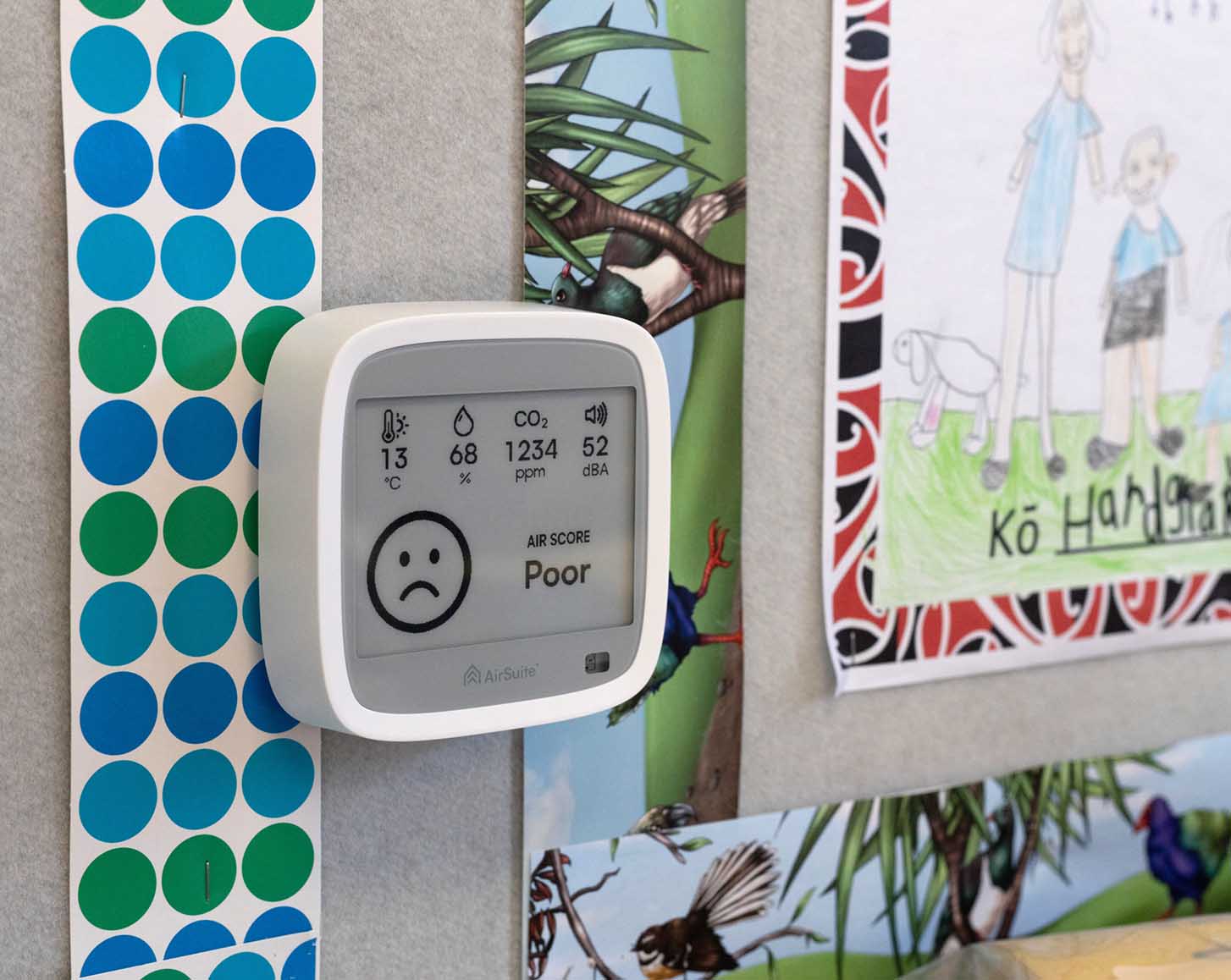
We were founded with the aim of helping educational institutions better understand learning environments
Our first ever sensor was developed exclusively to meet the needs of the New Zealand Education sector and was initially deployed in hundreds of classrooms across the North Island.
Enabling both short-term and longer term environmental improvement
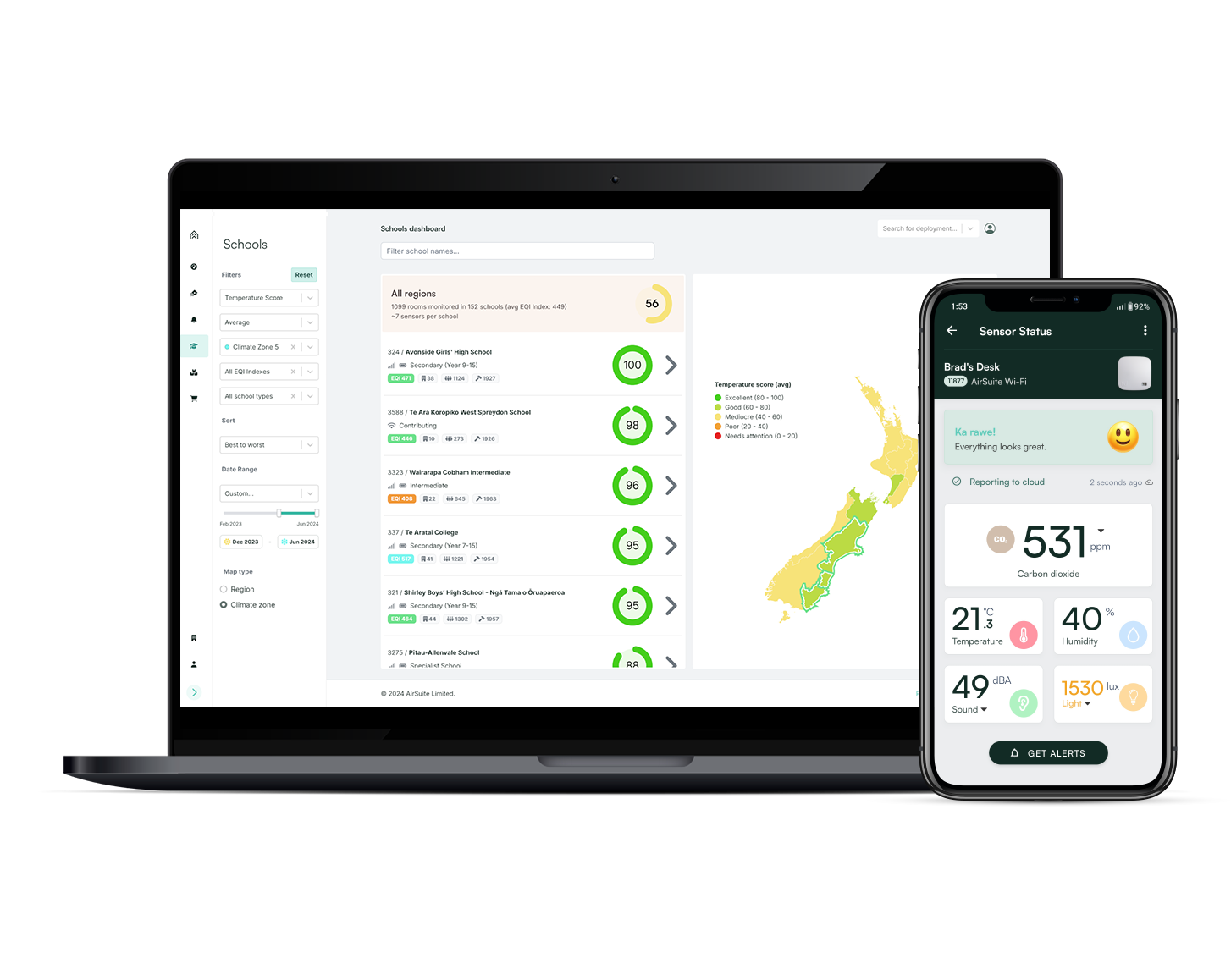
We’ve developed the tools to manage classroom conditions both in real-time and in the longer term with our AirSuite Monitor analysis and dashboarding software.
Monitor thousands of classrooms
Designed for large-scale deployment
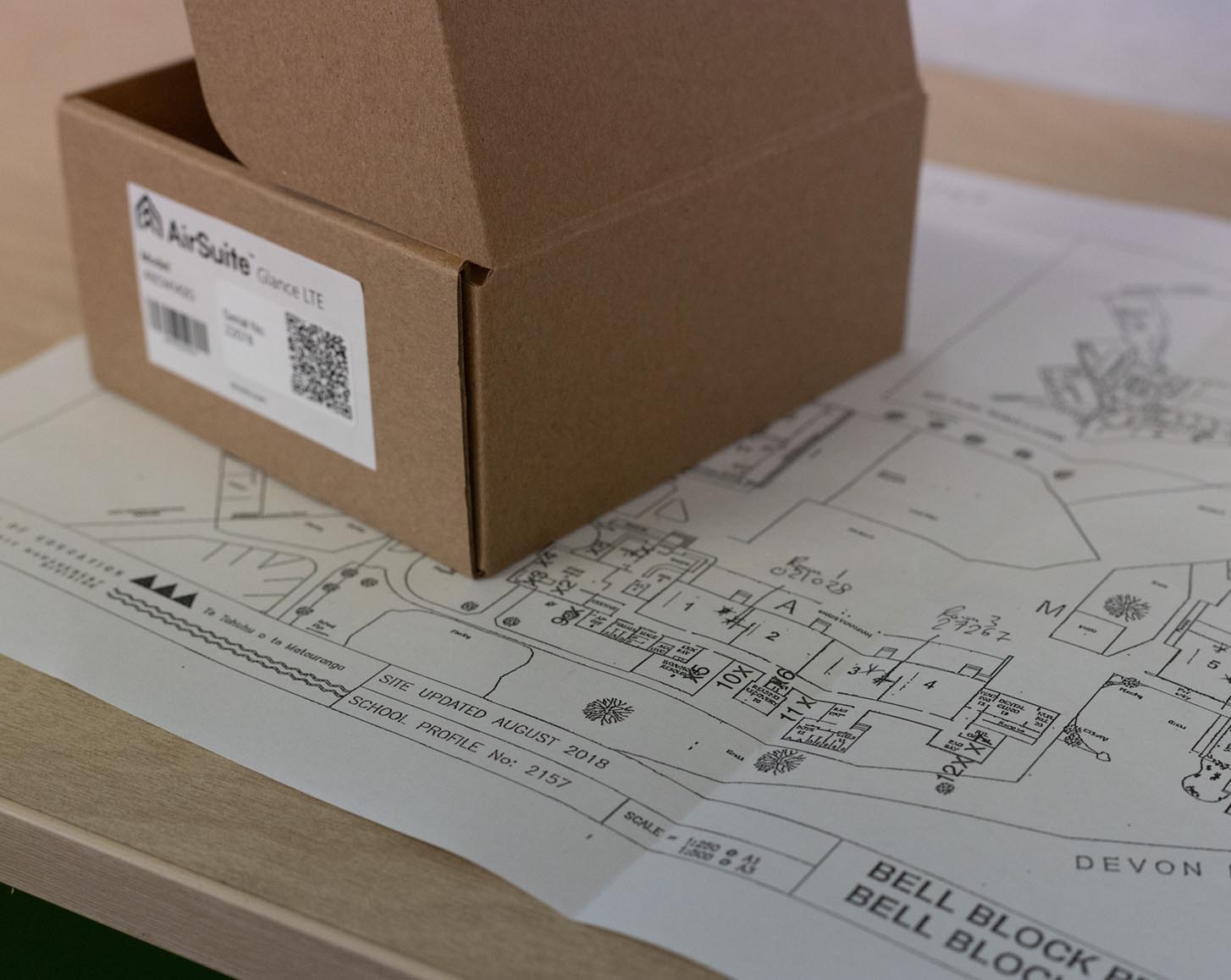
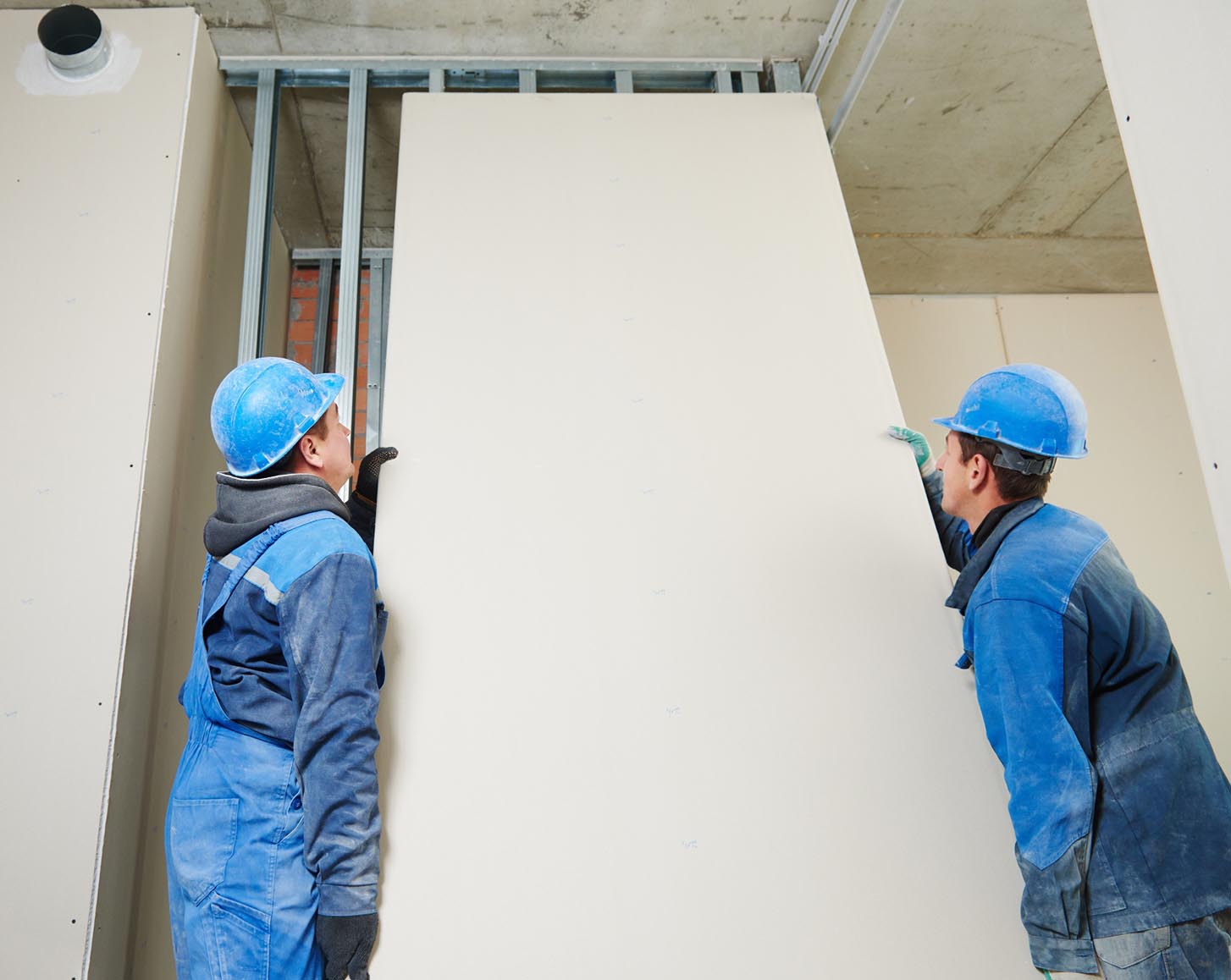
AirSuite monitors are quick and easy to roll out across hundreds of different locations
We’ve built the AirSuite platform from the ground up to make installation completely frictionless, so you can deploy hundreds, or even thousands of sensors without breaking a sweat.
For example, Aotea Group, a Ministry of Education installation partner, recently completed four full-school deployments in one morning!
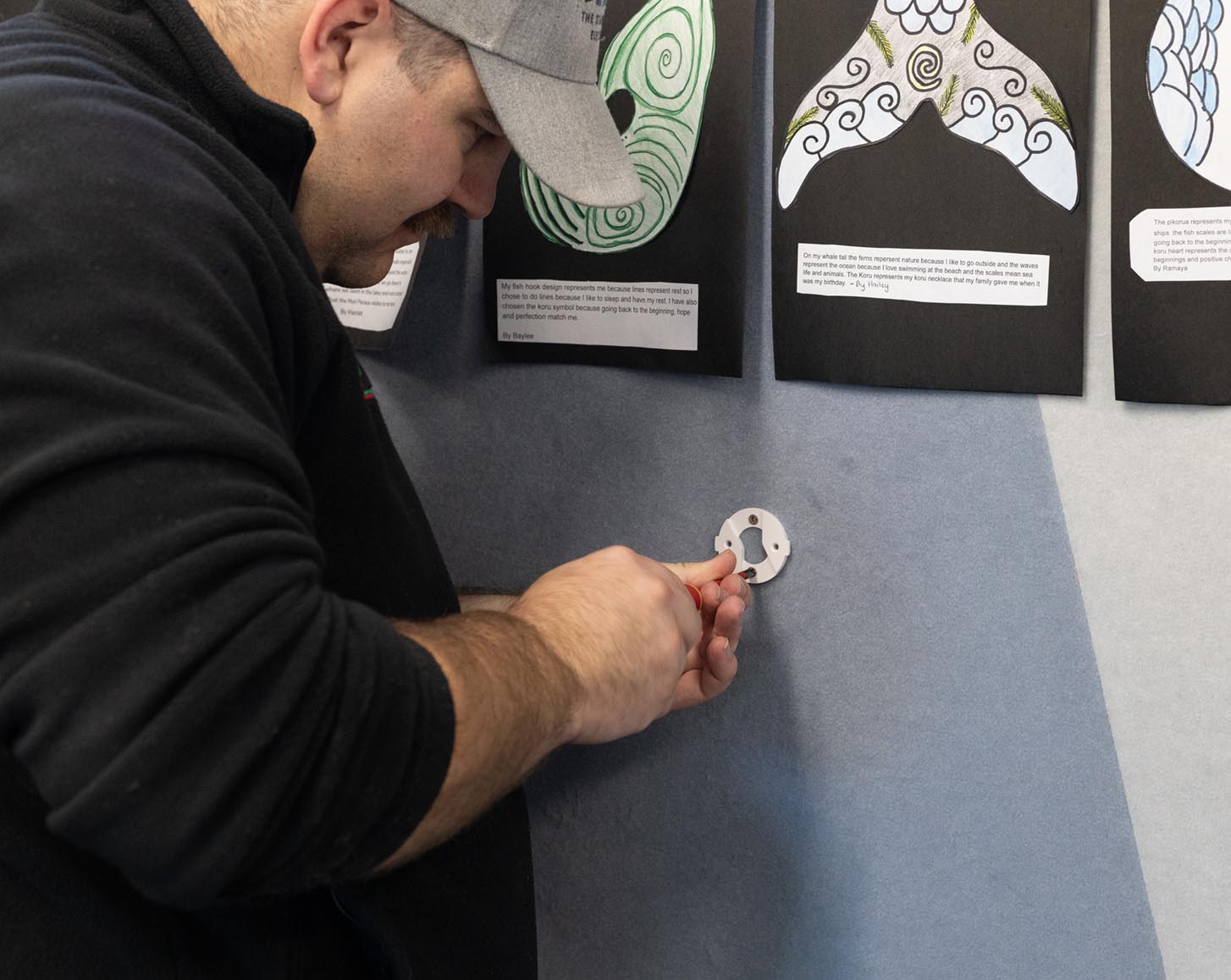
For each sensor, there are only three steps:
- Attach the mounting bracket to the wall, using the included screws or 3M strips.
- Turn on your AirSuite sensor.
- Twist it on to the bracket.
That’s all there is to it! You’ve installed your LTE-enabled AirSuite sensor. It’s already connected to the Internet through the cellular network, and pre-provisioned to start reporting to the Cloud straight away.
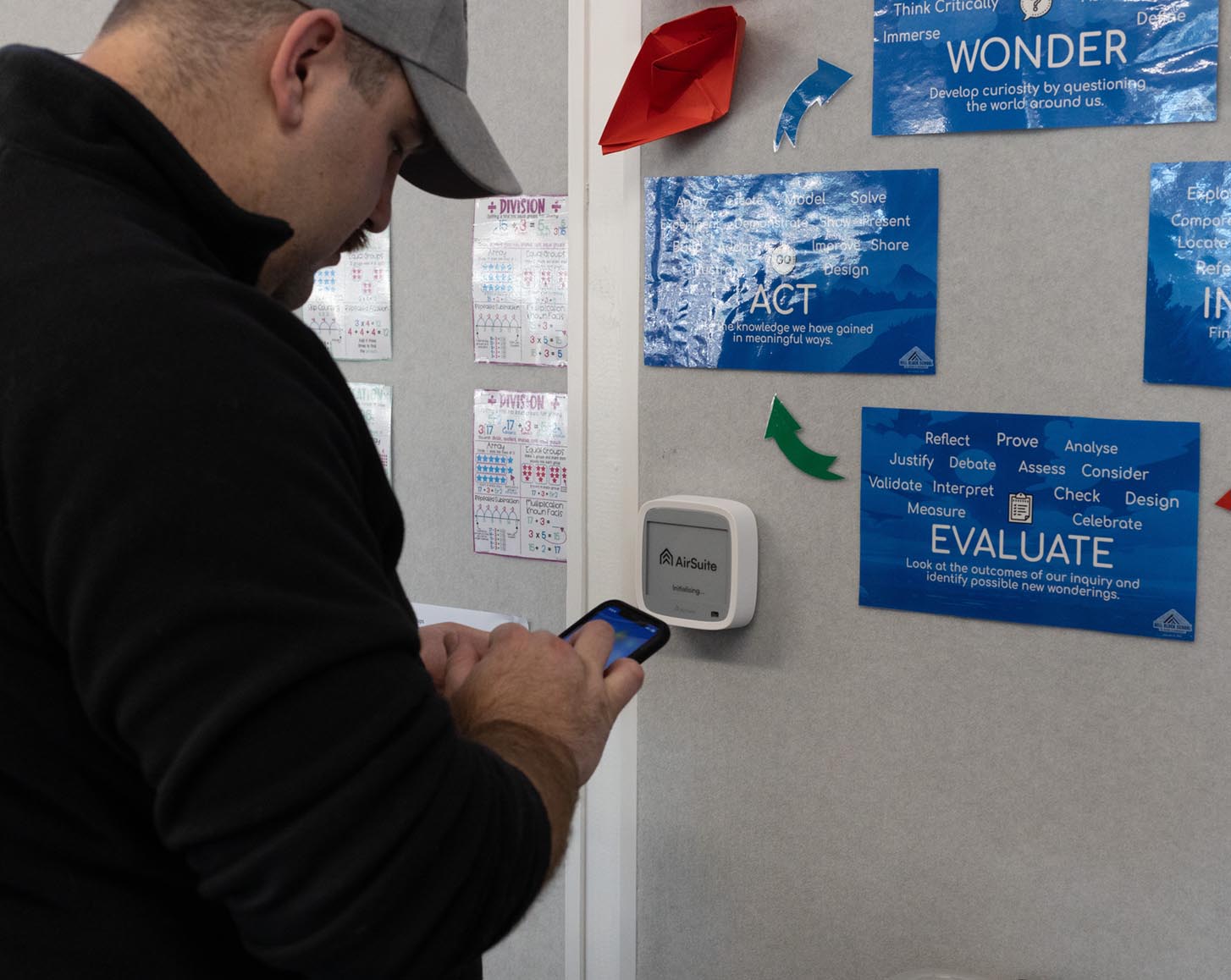
Complete the setup in the Cloud
Everything can be pre-provisioned, or configured out-of-band through the AirSuite Monitor Portal. Installers can also use the AirSuite Monitor App to set the device name and location immediately when they are on-site.
Key benefits
Unlock the benefits of smarter investment, more efficient buildings and healthier people
Our Solution
A complete air quality intelligence solution built around your goals

We work with your educational institution to plan a solution that will make your goals a reality
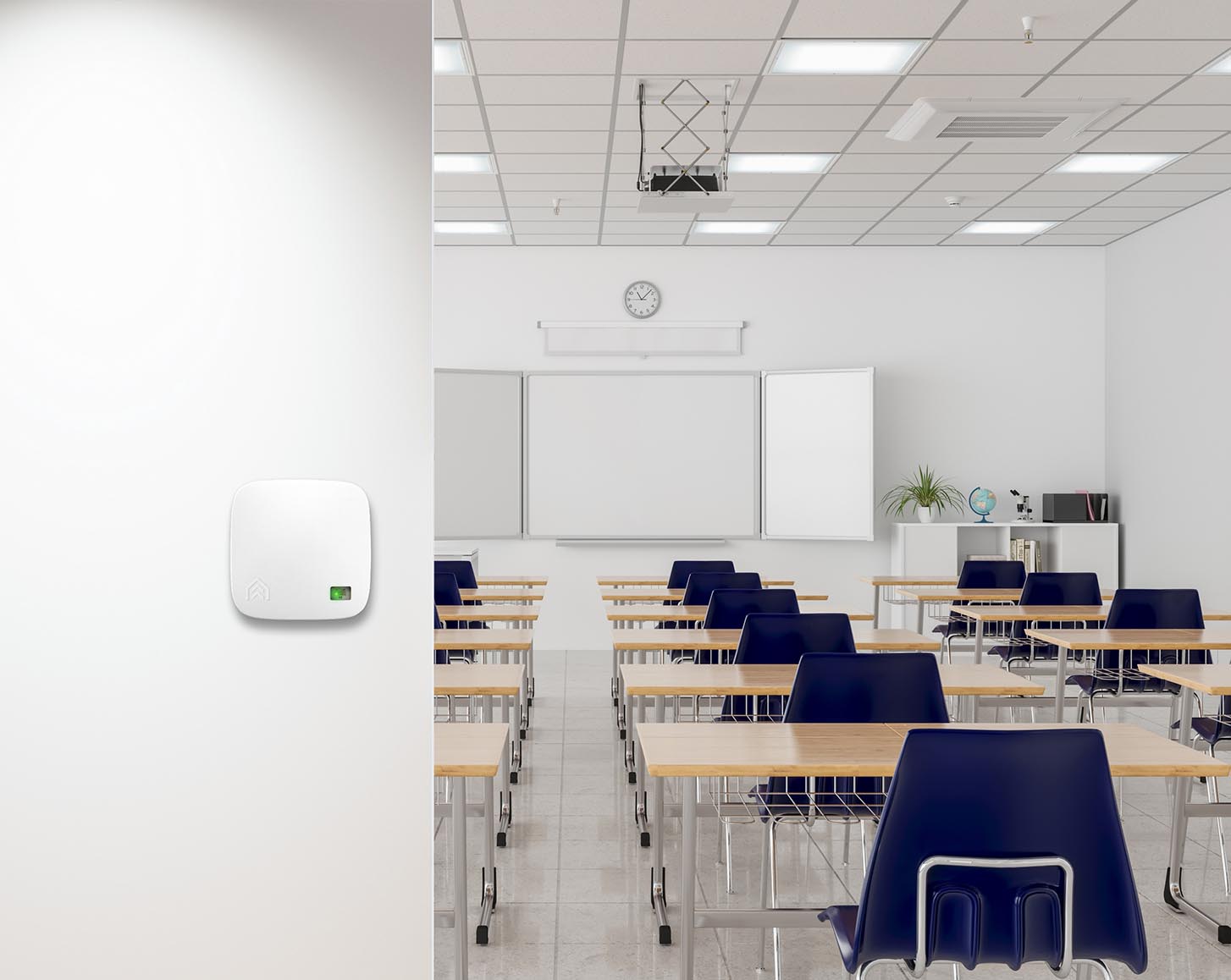
We develop sensor technology and the software to turn that data into action
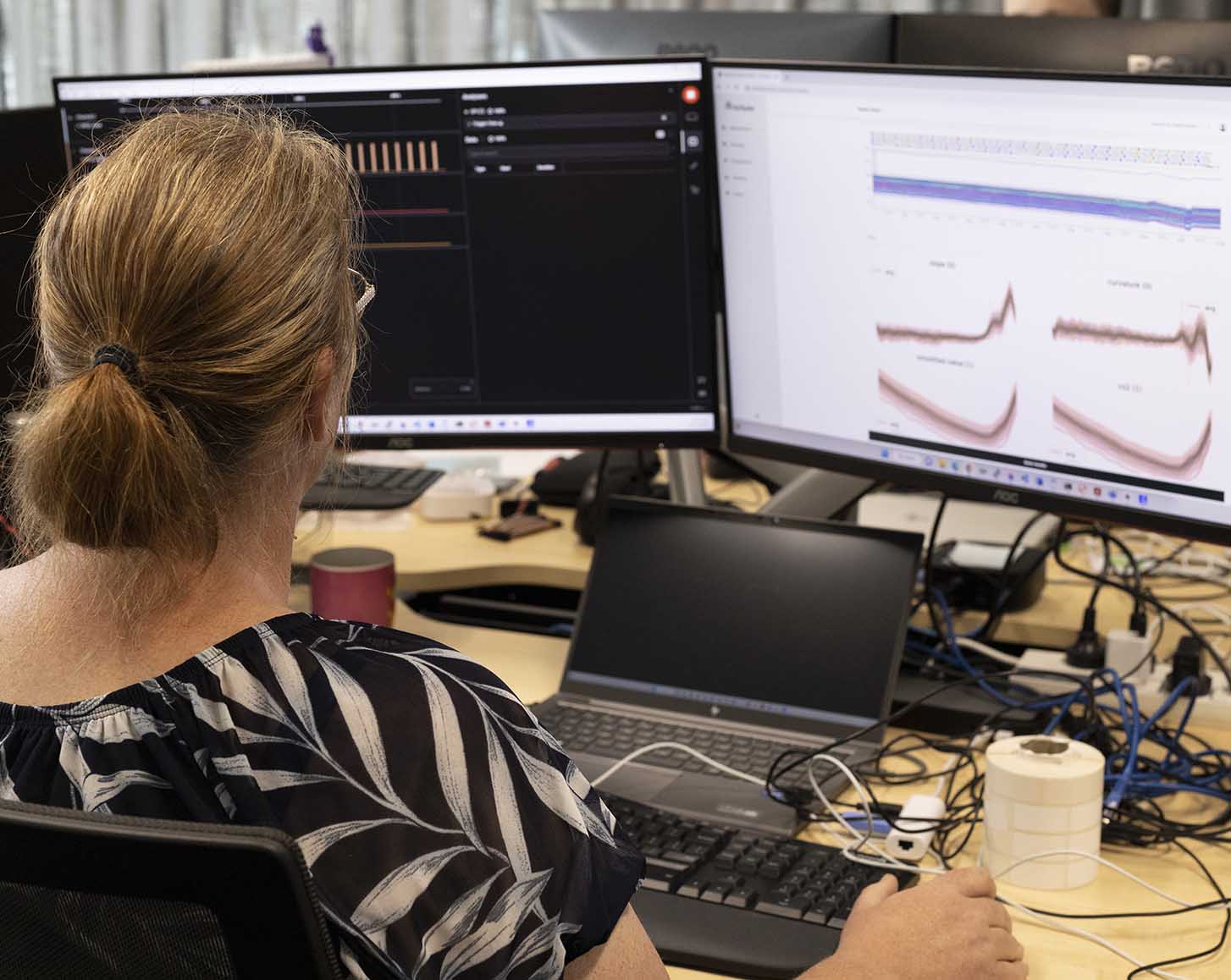
We can customise reporting and analysis tools, and integrate with your data to uncover critical insights, like how classroom conditions might be impacting rates of illness
Customer stories

Shaping the Ministry of Education’s building management strategy
We’ve been working with the New Zealand Ministry of Education since 2017 to help them better understand the quality of the learning environments in Aotearoa and the impacts of environmental conditions.
AirSuite™ data from thousands of sensors, reporting tools and insights are helping to reshape the way investment decisions are made and how building assets are managed. The Ministry of Education’s wealth of data and understanding are now driving the creation of environments that better support learning and wellbeing across the country.
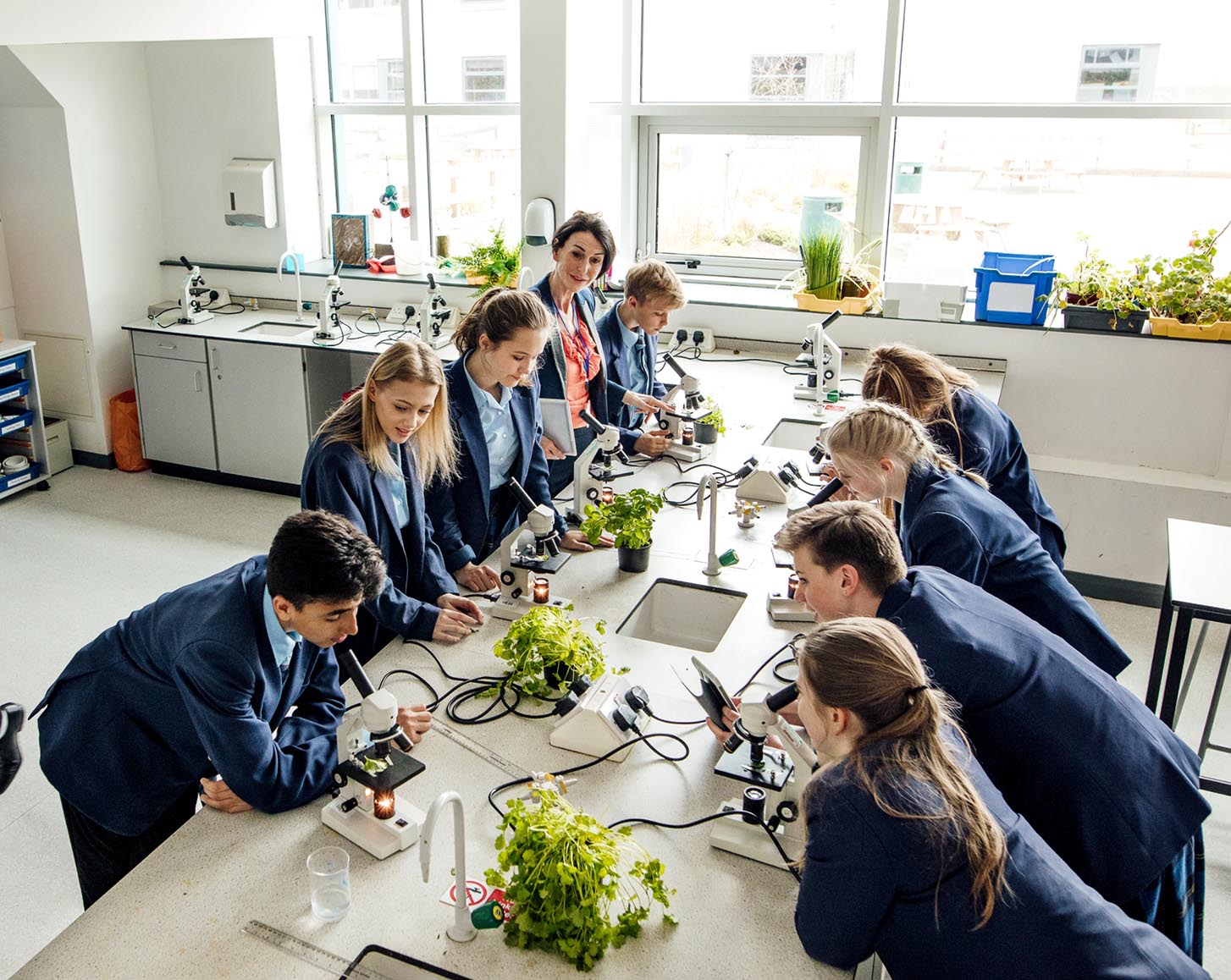
Ministry of Education case study
With monitors showing CO₂ level and temperature, staff are checking the monitors as we walk past or glance at it when we are at the right place.
Te Pūkenga case study
Now, when someone says it’s too stuffy or too cold, we can show exactly what’s happening. We’ve moved from opinion-based to evidence-based health and safety.
The monitor in these classrooms
Te Haratau runs on AirSuite Glance LTE
A classroom is no place for a monitor that only talks to a dashboard. This is the monitor the Ministry of Education chose for the largest indoor air quality programme in the country, and why.
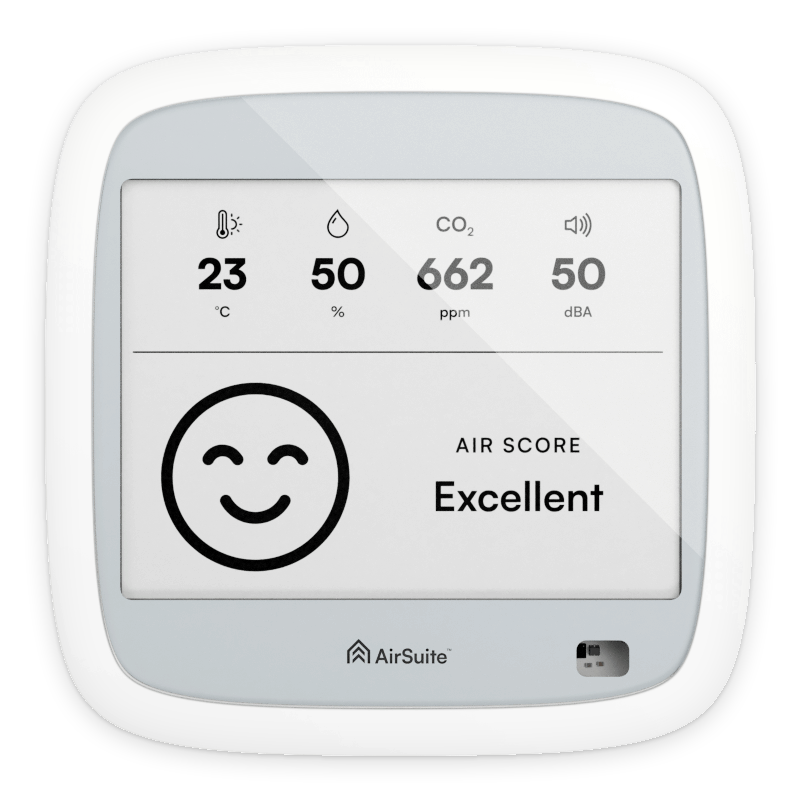
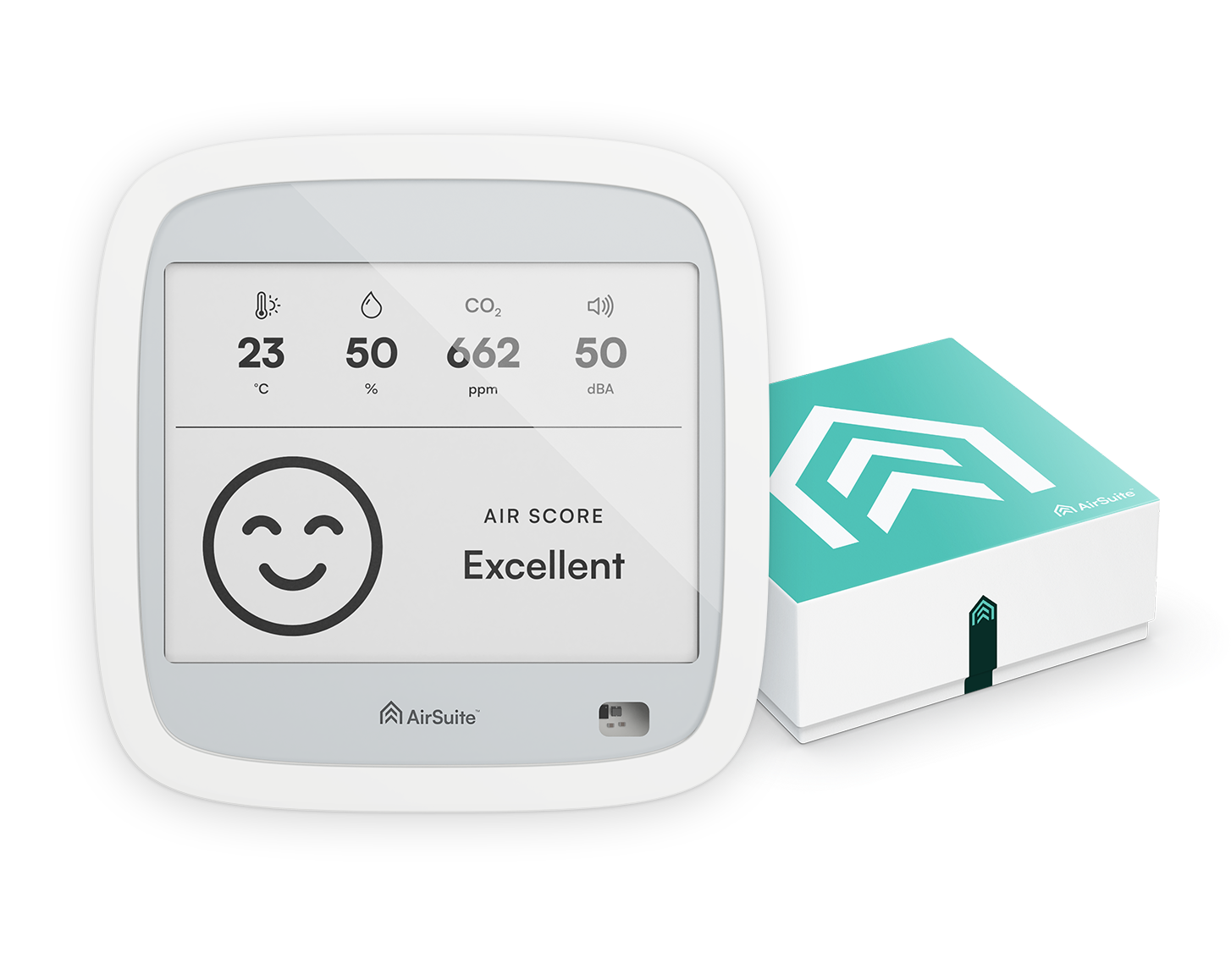
AirSuite Glance LTE
Installed in over 4,000 classrooms across more than 600 New Zealand schools, and rolling out further every day.
- 4G/LTE-M
- E-paper display
- Multi-year battery
- NABERS & WELL add-ons
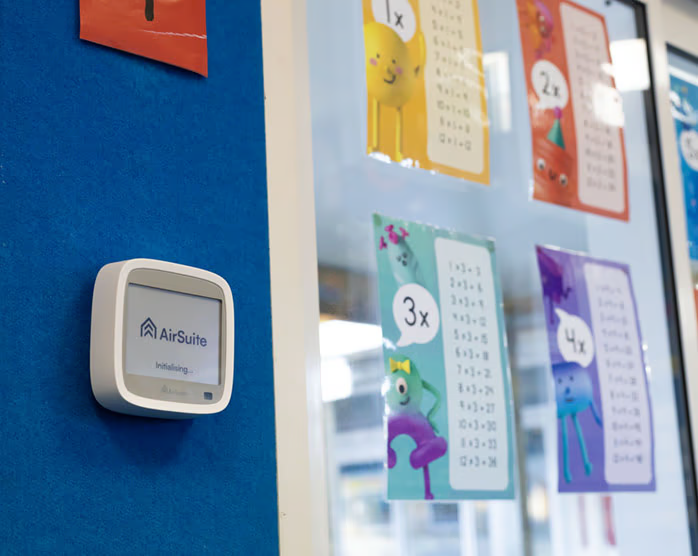
Glance was our first monitor, developed exclusively for the needs of the New Zealand education sector, and the display is why it is still the one classrooms use. CO₂ and temperature are shown on a built-in low-power e-paper screen, so a teacher walking past can see that a room needs airing and open a window — no login, no app, nobody waiting on a report. A Ministry evaluation of 29 spaces across five early childhood centres recorded exactly that: staff checking monitors in passing, and opening windows when levels climbed.
The rest is what made a programme this size practical. Glance reports over the cellular network, so it goes into relocatable classrooms and halls with no school Wi-Fi. It installs in under a minute with no tools and no contracted third-party installer, which is a large part of why the total cost of ownership sits below the alternatives. And firmware is updated remotely, so thousands of classrooms improve without anyone visiting a site.
See the full range of AirSuite monitors, sensors and add-ons
Questions
AirSuite for schools and tertiary providers
Can staff install these without a technician?
Yes. A monitor comes configured out of the box: take it out, put it on the wall, and it starts reporting. There is no third-party installer to contract, which is a large part of why the total cost of ownership is lower than the alternatives.
What if a school has no Wi-Fi in the classroom?
AirSuite monitors use cellular 4G/LTE-M to reach the network, so they can be deployed in classrooms, halls and relocatable buildings with no site network at all. Wi-Fi models are available where a wired-network deployment is preferred.
Should teachers be able to see the readings?
Many schools want them to. AirSuite Glance shows CO₂ and temperature on a built-in low-power display, so staff and students can see at a glance whether opening a window will be enough. Where a visible readout is not wanted, AirSuite Sense reports to the portal only.
How do we compare very different schools fairly?
The Monitor Portal supports comparison across characteristics such as Equity Index, building age, roll size and student age group, so a school at the top of the North Island can be assessed against genuinely comparable sites rather than a national average.
Does monitoring mean we will be told to rebuild?
Often the opposite. Data has helped schools and the Ministry identify older buildings that did not need rebuilding to reach an acceptable indoor environment, directing capital to the sites that genuinely needed it.
Can staff be alerted when something is wrong?
Yes. Thresholds and alerts can be configured so a staff member is notified by phone or email when conditions are heading somewhere uncomfortable or unsafe, rather than finding out afterwards.
Ready when you are
Let’s talk about how AirSuite™ can deliver real indoor outcomes for your organisation today